With about 150 days to go until the World Cup arrives in Seattle, planning conversations are becoming more concrete. For many organizations, this will be their first time hosting a watch party connected to an event of this scale. As FIFA World Cup 2026 approaches, venues, companies, and event planners across Seattle are starting to ask practical questions about how to show the match in a way that feels polished and intentional.
One of the most common questions we hear is whether to use a video projector or an LED wall. If those terms feel interchangeable or unclear, you are not alone. While both are tools for displaying video, they behave very differently once you put them into a real event environment.
What people mean when they say "projector" or "LED wall"
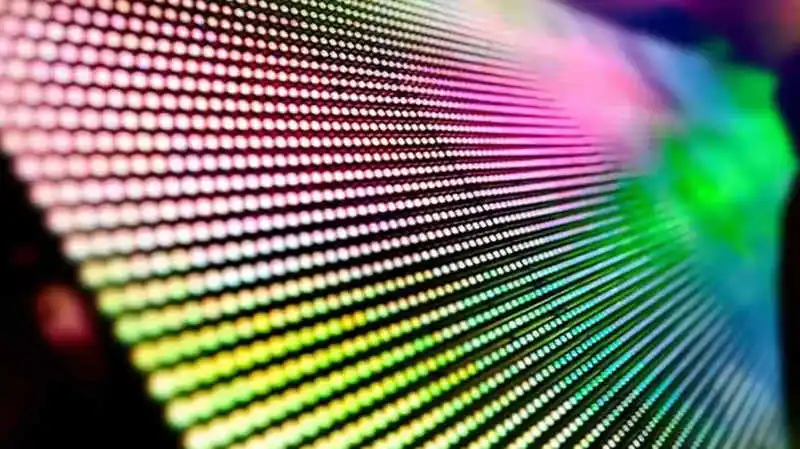
A projector is a light source that throws an image onto a screen or reflective surface. You have likely seen these used in conference rooms, ballrooms, and theaters. An LED wall is made up of modular LED panels that emit their own light and form a seamless video display, more like a giant television. From a guest's perspective, both show the match. From a production standpoint, they solve very different problems.
Why lighting conditions matter more than people expect
Seattle venues are rarely pitch black. Even indoors, there is often ambient light from windows, chandeliers, exit signs, or architectural lighting. Many World Cup watch parties also happen during the day or early evening, when full darkness is not realistic. When you combine that with people standing, moving around, and viewing from different angles, it becomes important to think ahead about which display will still look good once the room fills up.
This is where the decision between projection and LED stops being theoretical and starts being practical.
When projectors make sense indoors
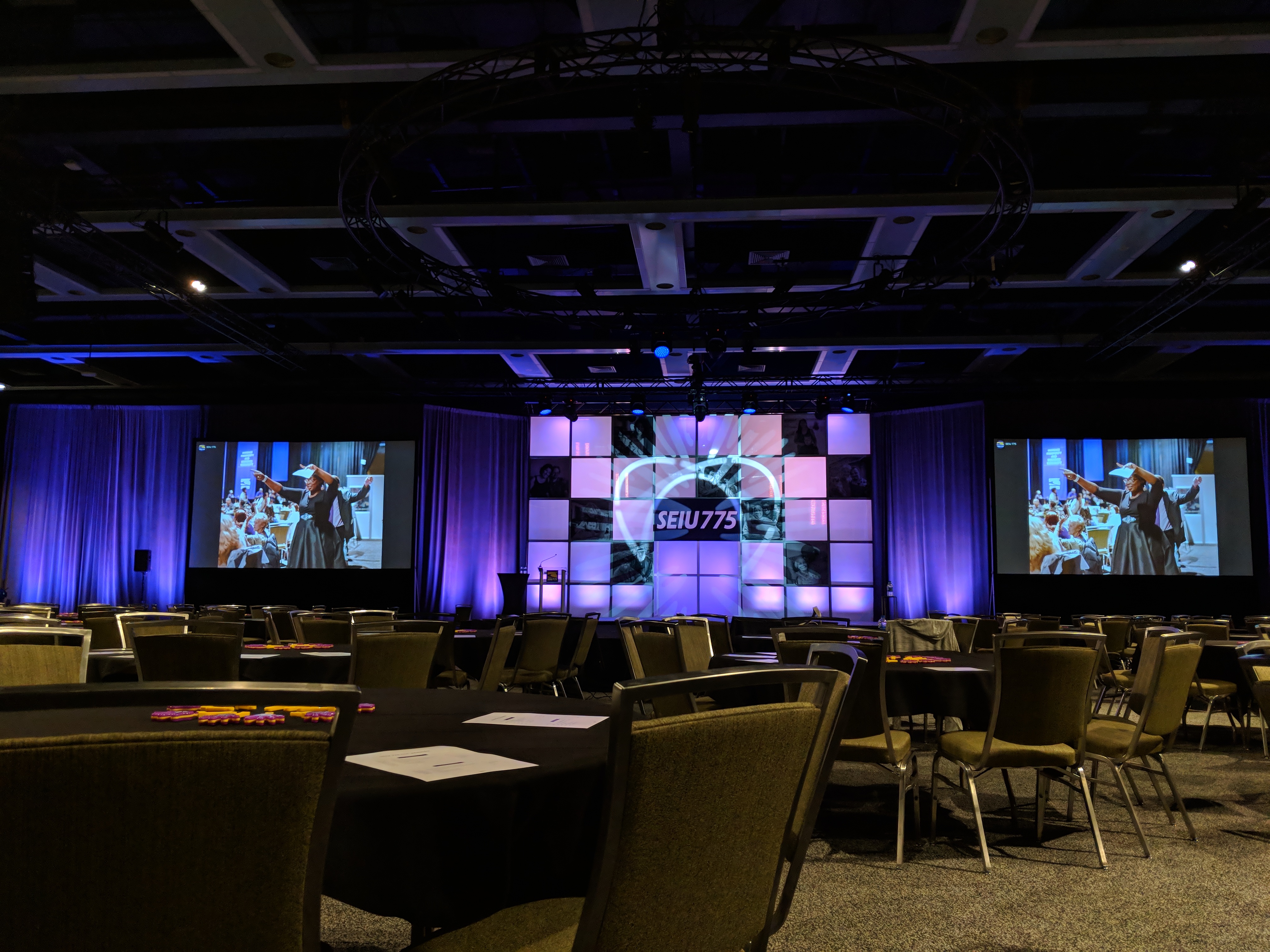
In indoor venues such as hotel ballrooms, conference centers, theaters, and corporate spaces, projectors can be an excellent solution when the conditions are right. If lighting can be mostly controlled and the audience is seated or focused in one direction, a well specified projector can deliver a large, cinematic image.
You may hear the term "lumen" when talking about projectors. Lumens are simply a measure of brightness. A higher lumen rating means a brighter image, which helps the picture hold up when there is ambient light in the room. Even so, all projectors depend on darker environments to look their best. That is why projectors tend to work best for indoor, evening events where lighting can be managed intentionally.
Once a room cannot be darkened, projectors lose contrast quickly. Even very bright projectors, sometimes described as high lumen projectors, can start to look washed out when competing with daylight or overhead lighting.
When LED Walls make sense
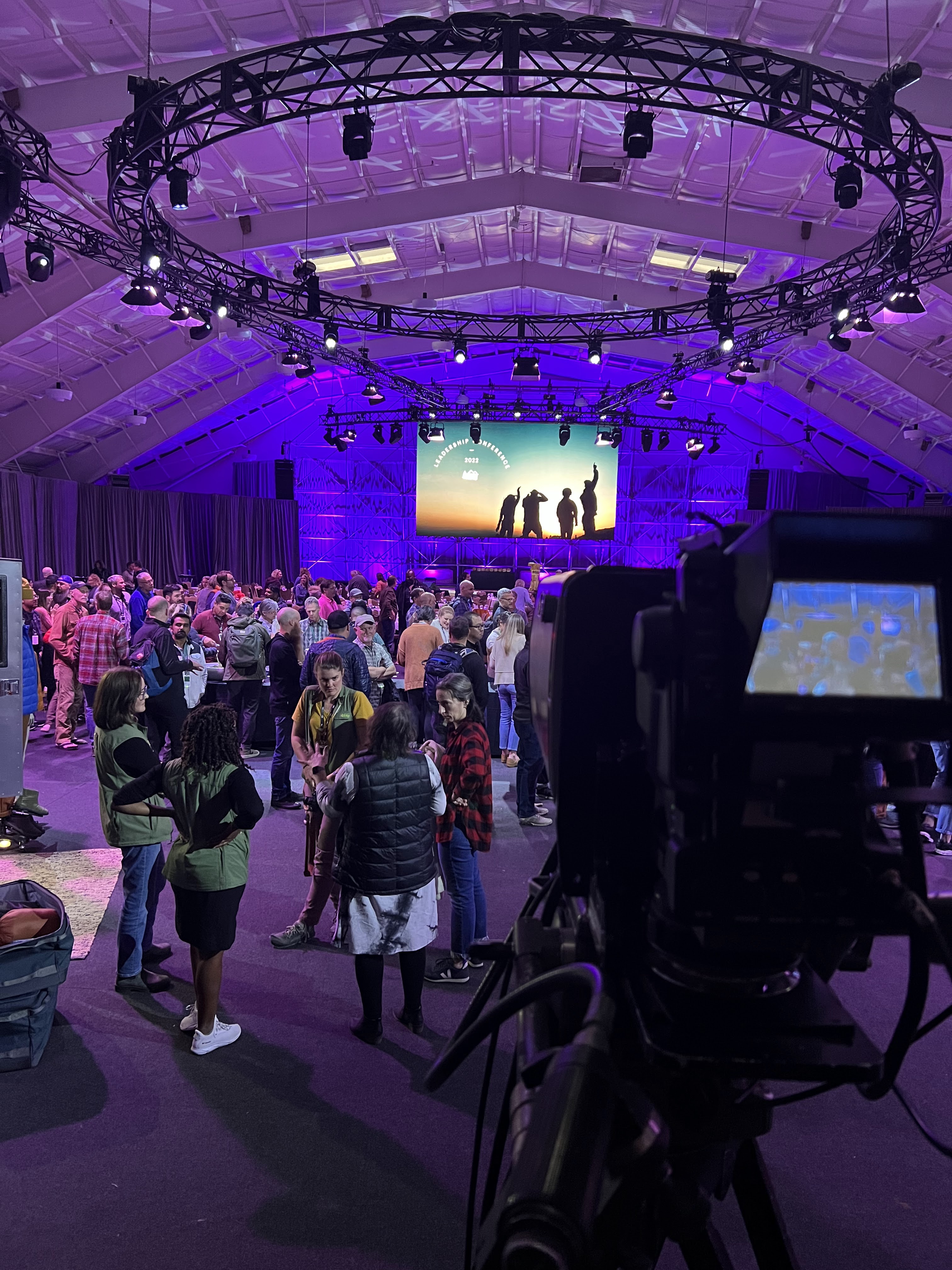
LED walls produce their own light, which allows them to stay bright and clear even in rooms with ambient lighting. This makes them especially effective for indoor watch parties in venues that cannot fully control light, such as atriums.
They also allow for flexible sizing, clean integration with staging, and the ability to run branded content or motion graphics before and after matches without worrying about visibility.
A quick note on outdoor and semi covered spaces
Outdoor and semi covered environments add daylight and weather into the equation, which is where LED walls clearly outperform projectors. While we do a significant amount of outdoor work, many organizations are realizing that indoor LED walls provide similar reliability and visibility benefits without the weather risk. For planners choosing between an indoor or outdoor viewing experience, this often tips the scale toward indoor venues paired with LED.
Is LED overkill for a watch party?
In small, fully indoor settings with controlled lighting, projection can still look great and be the right choice. LED becomes worth it when lighting cannot be controlled, or when the event is meant to feel elevated, branded, or professional. Many organizations start with projection and move to LED after experiencing visibility issues firsthand.
The key takeaway
There is no one size fits all answer. The right solution depends on the room, the crowd, and how much control you have over lighting. For many Seattle World Cup watch parties, especially indoors, choosing the right display early makes everything else about planning easier.
If you are thinking about hosting a watch party or planning a FIFA related event and want to talk through options for your space, feel free to reach out. We are always happy to chat, answer questions, and help you think through what will work best for your event.